The Right Way to Cure and Protect Newly Lacquered Wood Floors
If you have just invested in professional floor sanding in Isleworth, the job is only truly protected once the lacquer has cured properly. This is the stage where many homeowners accidentally damage an otherwise excellent finish. The floor may look dry, smell fine, and even feel ready to use, but that does not mean the lacquer has reached full hardness. Fresh lacquer needs controlled drying, light use at first, and the right cleaning habits if you want a smooth, durable surface that stays attractive for years.
At Isleworth Floor Sanding, we regularly see the same avoidable problems: rugs laid too early, chair legs dragged back into place, damp mopping within the first few days, and window condensation or wet shoes left to sit on a newly finished floor. In Isleworth homes, especially Victorian and Edwardian properties with variable ventilation, timber movement and local humidity can have a real effect on how well a lacquer settles and hardens. Knowing what to do in the first few hours, days, and weeks makes the difference between a finish that performs beautifully and one that ends up prematurely scratched, dulled, or marked.
This guide explains how lacquer cures, what can go wrong, and exactly how to protect your newly finished timber without trapping moisture, softening the coating, or scuffing the surface before it has built full resilience. Whether your floor is original pine boards, oak planks, parquet, or a suitable engineered surface, the same principle applies: early aftercare protects the long-term result.
Why Freshly Lacquered Floors Are Vulnerable
Lacquer is designed to create a hard-wearing protective film over timber. In modern floor restoration, water-based systems are particularly popular because they dry faster, stay clearer in colour, and suit family homes well. However, there is an important distinction between dry and cured.
A floor can become touch-dry or light-foot-traffic dry relatively quickly, but full curing takes longer. During that curing window, the finish is still developing hardness, chemical resistance, and abrasion resistance. That means the surface can still be marked by:
- Rubber-backed mats or non-breathable coverings
- Heavy furniture placed back too soon
- Pet claws skidding across turning points
- Water, condensation, or over-wet mopping
- Fine grit from shoes and entryways
- Dragging appliances, beds, or sofas across the room
In practice, the most common mistake is assuming the floor is “finished” the moment the contractors leave. It is more accurate to think of that point as the start of the protection phase. The lacquer has been applied, but the homeowner’s behaviour over the next few days determines how pristine that finish remains.
Drying vs Curing: What Homeowners in Isleworth Need to Understand
When a lacquered floor first dries, the water or carrier content has evaporated enough for the surface to stop feeling wet. Curing is the longer period in which the coating hardens through its full film-development process. During this time, the finish becomes tougher, less prone to imprinting, and more resistant to everyday traffic.
That is why you should never judge readiness by appearance alone. A satin lacquer may look beautifully even within hours, but chair legs, castor wheels, damp dog paws, or a rug with a dense backing can still mark or interfere with the surface if introduced too early.
In Isleworth properties, this matters even more because environmental conditions vary widely. A top-floor flat with good airflow may behave very differently from a shaded ground-floor Victorian room with cooler subfloors and higher ambient moisture. We always advise clients to think in terms of staged use:
- Initial drying period: very light, sock-only access if advised
- Early cure period: careful foot traffic, no heavy loading, no moisture exposure
- Full cure period: gradual return to normal use with proper floor protection in place
The First 24 Hours: Protect the Surface From Immediate Damage
The first day is the most delicate stage. Even where a high-quality lacquer has been applied with proper de-nibbing between coats and a correct sanding sequence beneath it, the finish is not ready for normal household life straight away.
For the first 24 hours, the safest approach is:
- Walk only if necessary and only in clean socks
- Keep children’s toys, pushchairs, bikes, and pet bowls off the floor
- Do not drag furniture back into the room
- Avoid opening windows wide enough to create gusty draughts carrying dust or pollen onto the finish
- Keep the room ventilated, but stable rather than windy
- Do not spill water or use any cleaner
Fresh lacquer is especially susceptible to surface contamination in this early phase. Dust, hair, grit, or tiny bits of renovation debris can become embedded or can scratch the coating underfoot. That is why we recommend treating the room almost like a newly decorated space: controlled access, clean conditions, and patience.
Days 2 to 3: Light Use Only, No Rugs, No Wet Cleaning
Once the floor has moved beyond the first day, many people assume the danger has passed. In reality, the next two days are often where preventable damage happens. The floor may tolerate light use, but it still does not want trapped moisture, weight concentration, or abrasion.
During days 2 to 3:
- Continue using socks or clean soft-soled footwear only
- Keep pets’ claws trimmed and discourage running starts
- Do not put rugs, runners, beanbags, laundry baskets, or plastic storage boxes on the floor
- Do not damp mop, steam clean, or wipe with a wet cloth
- Do not place heavy furniture back without protection and lifting assistance
This is also the period where condensation risk matters. In many Isleworth homes near kitchens, utility areas, or older sash windows, early morning moisture can settle unnoticed. If you see condensation on glass, remember that the room is telling you something about humidity. Maintain gentle airflow and a stable indoor temperature, but avoid creating abrupt environmental swings.
When Can You Put Furniture Back?
Furniture reintroduction should be staged, not rushed. Light furniture can usually return before heavy items, but only if it is lifted, never dragged, and fitted with proper felt protection beforehand.
Before anything goes back into the room:
- Clean the feet or legs thoroughly
- Apply fresh, good-quality felt pads
- Check for exposed screws, staples, or rough timber edges underneath
- Lift items fully with two people where necessary
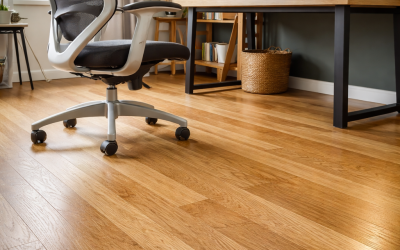
Dining chairs are one of the worst offenders on newly lacquered floors because they create repeated point-pressure and micro-abrasion. If the floor is in a dining room, be especially careful. Office chairs with castors should stay off the area until the finish is properly hardened, and ideally should only be used later with a protective approach suitable for wood flooring.
If you want a beautifully restored surface to stay looking sharp, never let the first week become a free-for-all of furniture shuffling.
Why Rugs and Mats Cause Problems If Used Too Soon
Rugs look harmless, but on a newly lacquered floor they can create several risks at once. They restrict airflow, hold minor moisture against the coating, and can lead to uneven curing. Some backings may also react poorly with a finish if introduced before the lacquer has properly hardened.
That is why we tell clients not to rush the “styling” stage. However attractive the room looks with a runner or area rug, it is better to wait than to risk imprinting, clouding, or soft patches in the finish film.
This is particularly important in hallways and entrance spaces, where mats also collect grit. A mat is valuable later, but only once the lacquer has gone through its early curing phase successfully.
How to Clean a Freshly Lacquered Floor Safely
One of the biggest misconceptions is that fresh lacquer needs cleaning product straight away. It does not. In the early phase, less is more.
For the first stage after finishing, cleaning should usually mean:
- Dry dust control only
- A soft microfibre pad used gently
- A vacuum with a wood-floor-friendly attachment, once appropriate
- No soaking, no bleach, no sprays left sitting on the surface
Once the finish is ready for routine maintenance, stick to a pH-neutral cleaner designed for lacquered wooden floors. Avoid supermarket products that leave residue, add shine artificially, or contain harsh degreasers. These can dull the clarity of the coating over time and make later maintenance harder.
Steam mops are a poor choice for lacquered timber in general. Heat plus moisture is not the same as proper wood-floor care. Even after full cure, over-wet cleaning remains one of the most common causes of premature coating breakdown around joints, board edges, and traffic lanes.
Protecting the Finish From Grit, Moisture, and Daily Wear
Once the floor has cured enough for normal use, the goal shifts from “do not touch” to “reduce avoidable wear”. Lacquer is durable, but durability is not invincibility. The best-looking timber floors are usually the ones protected by small, consistent habits.
1. Stop Grit at the Door
Fine grit acts like sandpaper under shoes. Entrance matting is one of the simplest ways to preserve a lacquered finish, especially in family homes where people move between garden, hallway, kitchen, and living areas repeatedly.
2. Use Felt Pads Everywhere
Sofas, side tables, dining chairs, bed frames, stools, and movable storage should all have felt pads. Replace them when compressed, dirty, or missing. A single exposed chair leg can scratch an otherwise flawless room.
3. Wipe Up Spills Promptly
Lacquer improves resistance, but standing liquid is still bad practice. Water left around board lines or along perimeter gaps can eventually work against the finish and the timber below it.
4. Keep Pet Traffic Controlled
Dogs often damage fresh finishes not through bad behaviour, but through excitement. Hallway turns, launches toward the front door, and fast stops near kitchens create repeated scratch patterns. Trimming claws and using rugs later, once safe to do so, can reduce this significantly.
5. Maintain Stable Indoor Conditions
Timber responds to moisture and temperature. Excess humidity can slow cure and contribute to movement, while very dry conditions can increase shrinkage and joint stress. Steady indoor conditions help both the coating and the wood beneath it perform better.
Isleworth Homes: Why Local Property Type Matters
Not every floor in Isleworth behaves the same way after lacquering. Older homes often have suspended timber subfloors, variable ventilation, and boards that have already lived through decades of seasonal movement. That affects both the preparation strategy and the aftercare advice.
In Victorian and Edwardian properties, we often pay close attention to:
- Moisture variation between front and rear rooms
- Draught paths beneath original floorboards
- Historic gaps and previous filler failure
- Subfloor stability before final sealing
- The right sheen level for period timber character
Where floors have been properly restored with sound repairs, sensible gap treatment, and a professional sanding sequence, lacquer can provide excellent protection. But the aftercare must still respect the building. That is why clients exploring broader restoration options often find it useful to read our guide on wood floor sanding in Isleworth: from tired to timeless, especially if they are planning a full renovation rather than a simple refresh.
What About Parquet and Detailed Pattern Floors?
Freshly lacquered parquet deserves even more care because the eye notices flaws quickly on patterned surfaces. Scuffs, patchy sheen, and dragged furniture marks are especially visible across herringbone and block layouts.
If your home has a patterned floor, extra caution with early access is worthwhile. Parquet often sits at the centre of the room’s visual identity, so preserving a clean, even finish is essential. For property owners with classic block flooring, our article on parquet floor sanding in Isleworth explains how careful restoration helps revive crisp geometry without losing character.
Likewise, if you are dealing with an older floor where visual age is part of the charm, our piece on heritage parquet restoration is useful for understanding how to keep character while improving durability.
Common Mistakes That Damage Fresh Lacquer
To keep things practical, here are the mistakes most likely to undo a beautiful refinishing job:
- Walking on the floor in outdoor shoes too soon
- Putting rugs down for appearance before cure is complete
- Damp mopping because the surface “looks dry”
- Dragging furniture instead of lifting it
- Ignoring felt pads under chairs and tables
- Letting grit build up in hallways and entrances
- Using generic cleaning sprays not made for lacquered timber
- Allowing standing water near plant pots, pet bowls, or leaking doors
None of these are dramatic on their own. The problem is cumulative damage. A lacquered floor stays at its best when the homeowner avoids small repeated stresses that wear the finish faster than necessary.
Long-Term Maintenance After the Cure Period
Once the initial curing window has passed, a lacquered floor becomes one of the easiest timber floor finishes to maintain, provided the right habits are in place. Ongoing care should focus on cleanliness, abrasion control, and timely maintenance rather than harsh intervention.
Good long-term practice includes:
- Vacuuming regularly with a soft floor-head
- Using only approved or suitable wood-floor cleaners
- Refreshing felt pads periodically
- Managing indoor humidity sensibly
- Booking a maintenance assessment before wear breaks fully through in traffic lanes
That last point matters. It is always better to maintain a lacquered floor before the finish has worn completely away in key areas. Once bare timber is exposed, staining and deeper wear follow much faster.
Final Thoughts: Good Aftercare Protects the Investment
Fresh lacquer does a superb job of protecting wooden floors, but only when it is given the chance to cure properly. The homeowners who get the best results are not the ones who clean the hardest or rush the room back into service. They are the ones who respect the first few days, control grit and moisture, and treat the floor like a crafted surface rather than an indestructible one.
If you have recently had your floor sealed, the rule is simple: be patient now so you can be relaxed later. Thoughtful aftercare protects sheen, clarity, hardness, and overall lifespan. That means fewer avoidable scratches, fewer early maintenance issues, and a better-looking floor for much longer.
If you need tailored advice for lacquered pine boards, oak planks, parquet, or a period property in TW7, speak to the team at Isleworth Floor Sanding. We can advise on curing, maintenance, future recoating, and the best protection strategy for the way your home is actually used.