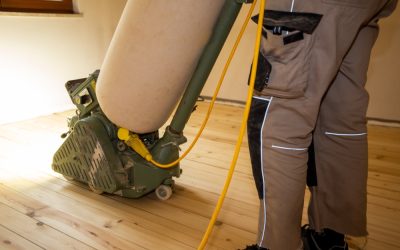
Dust-Free Sanding Technology: Keeping isleworth Homes Cleaner
Wooden floors add warmth, history and undeniable charm to London homes, yet many householders hesitate to refurbish them for fear of harsh chemicals, clouds of dust and excessive waste. In reality, modern green technologies allow you to revive tired boards without compromising indoor air quality or the planet’s health. In this guide we explore why sustainability matters, which products and methods to choose, and how to keep your floors looking their best for decades to come. Whether you live in a Victorian terrace in Clapham or a riverside flat in Isleworth, Eco-Friendly Wood Floor Sanding can deliver a spotless finish with a light environmental footprint.
Why Sustainability Matters When Refurbishing Floors
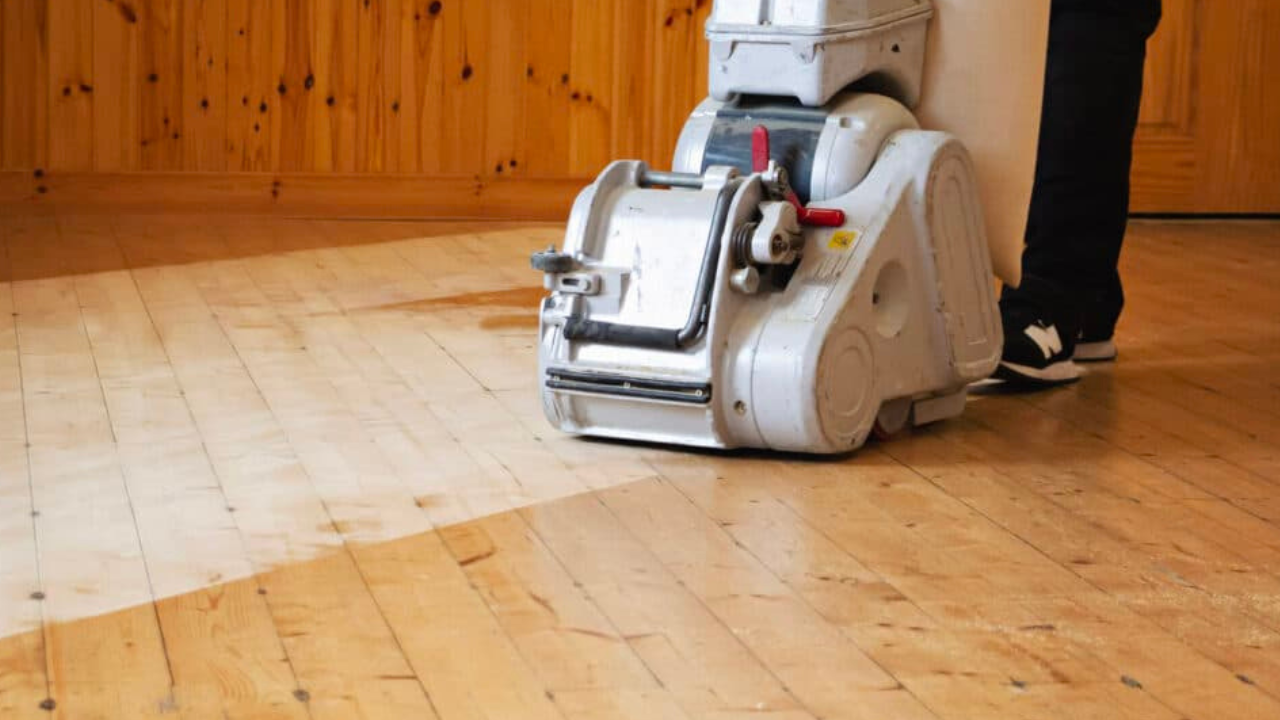
London’s building stock is famously eclectic, with everything from Georgian pine planks to contemporary engineered oak. Each square metre of timber represents timber-harvesting, transport emissions and embedded carbon, so it makes sense to preserve what you already have rather than ripping it out. Sadly, conventional sanding practices can undermine those green intentions by:
- Generating airborne dust full of old finishes, potential allergens and micro-plastics.
- Releasing high-VOC solvents that pollute indoor air and contribute to urban smog.
- Wasting energy through inefficient machinery and single-use consumables.
By switching to Eco-Friendly Wood Floor Sanding you extend the useful life of existing boards, cut landfill waste and create a healthier living environment for family, guests and pets alike. Choosing a contractor committed to green practices also signals to neighbours that sustainability and style can go hand-in-hand.
How Modern Sanding Equipment Reduces Environmental Impact
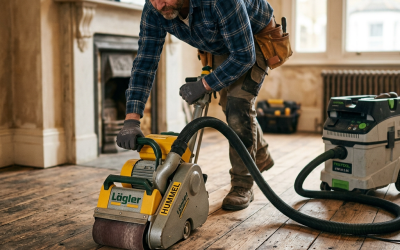
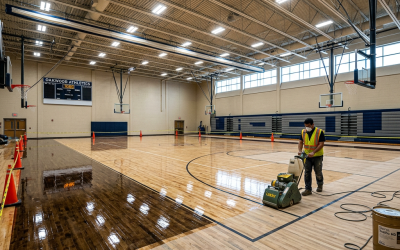
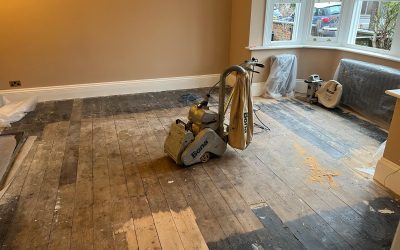
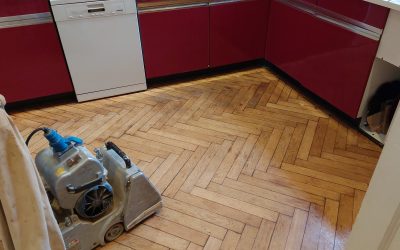
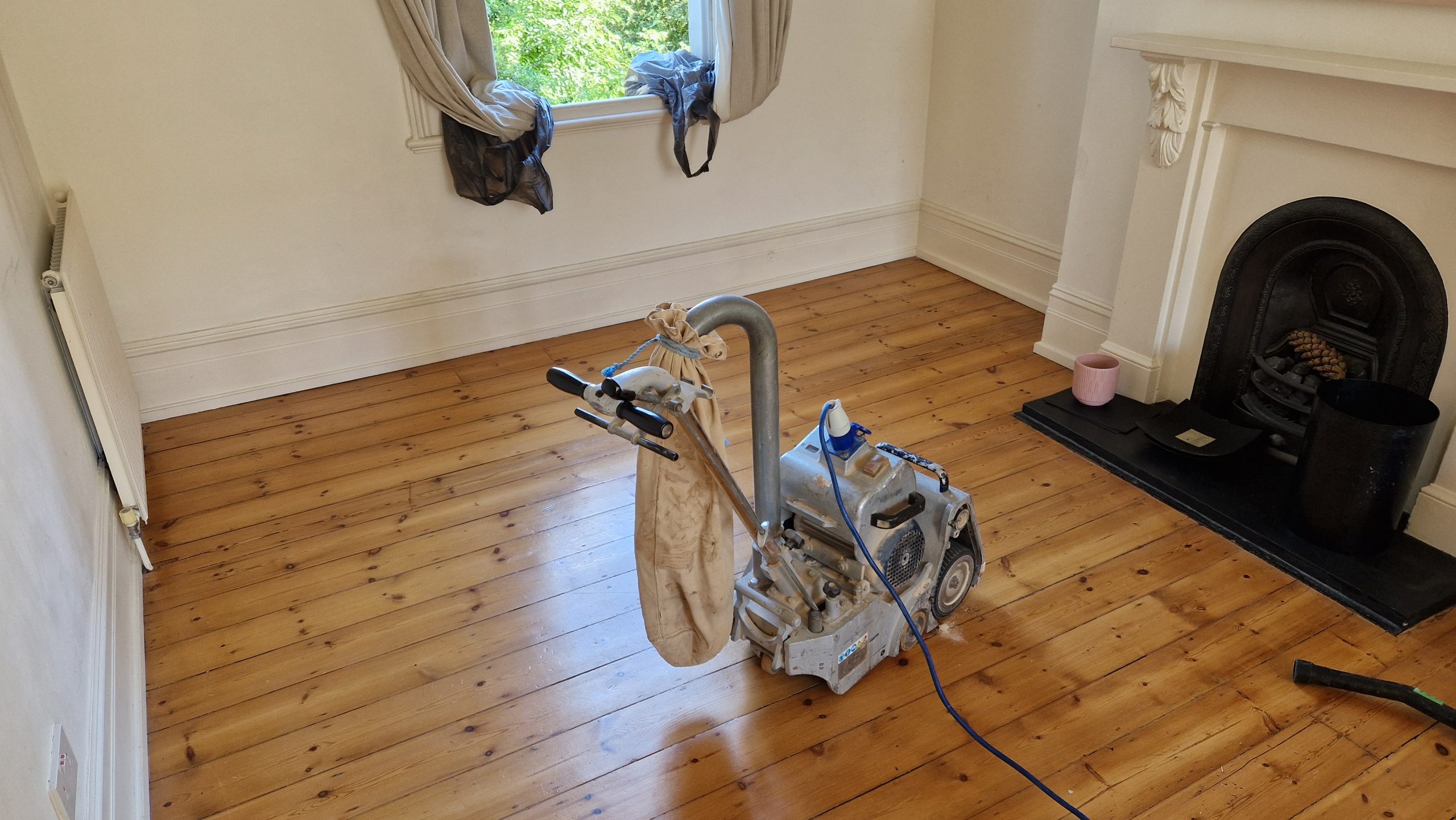
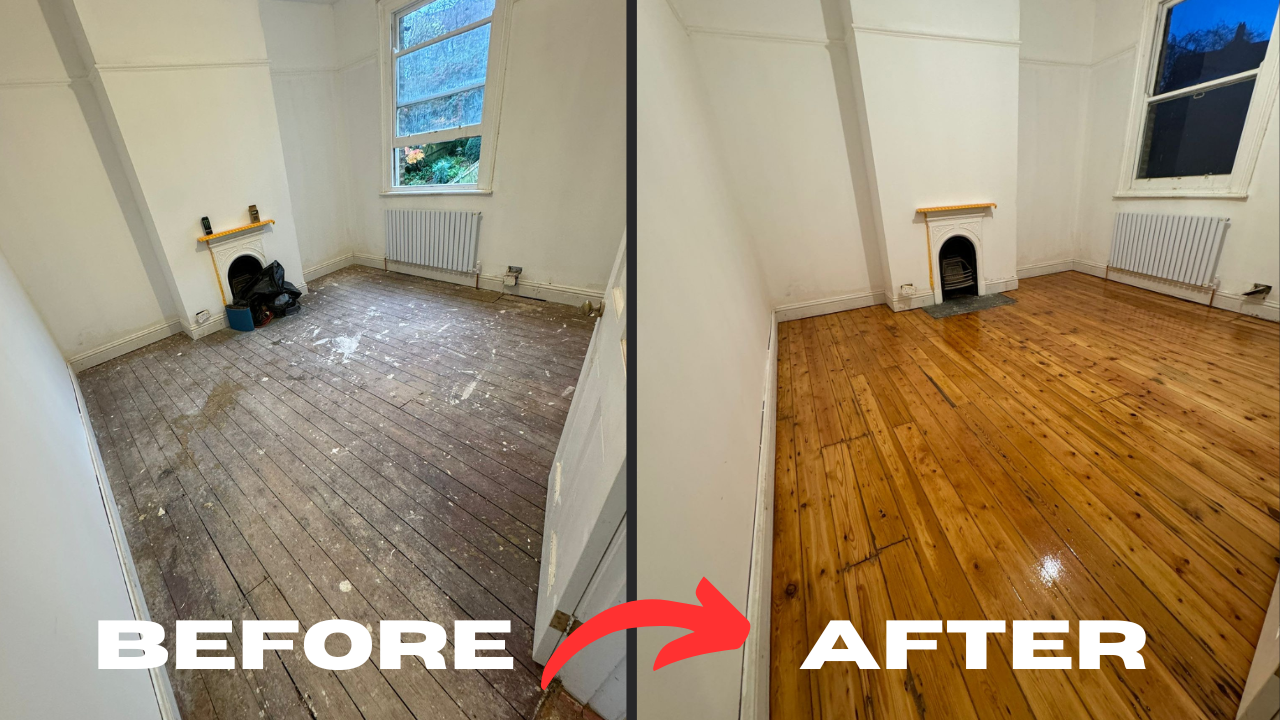
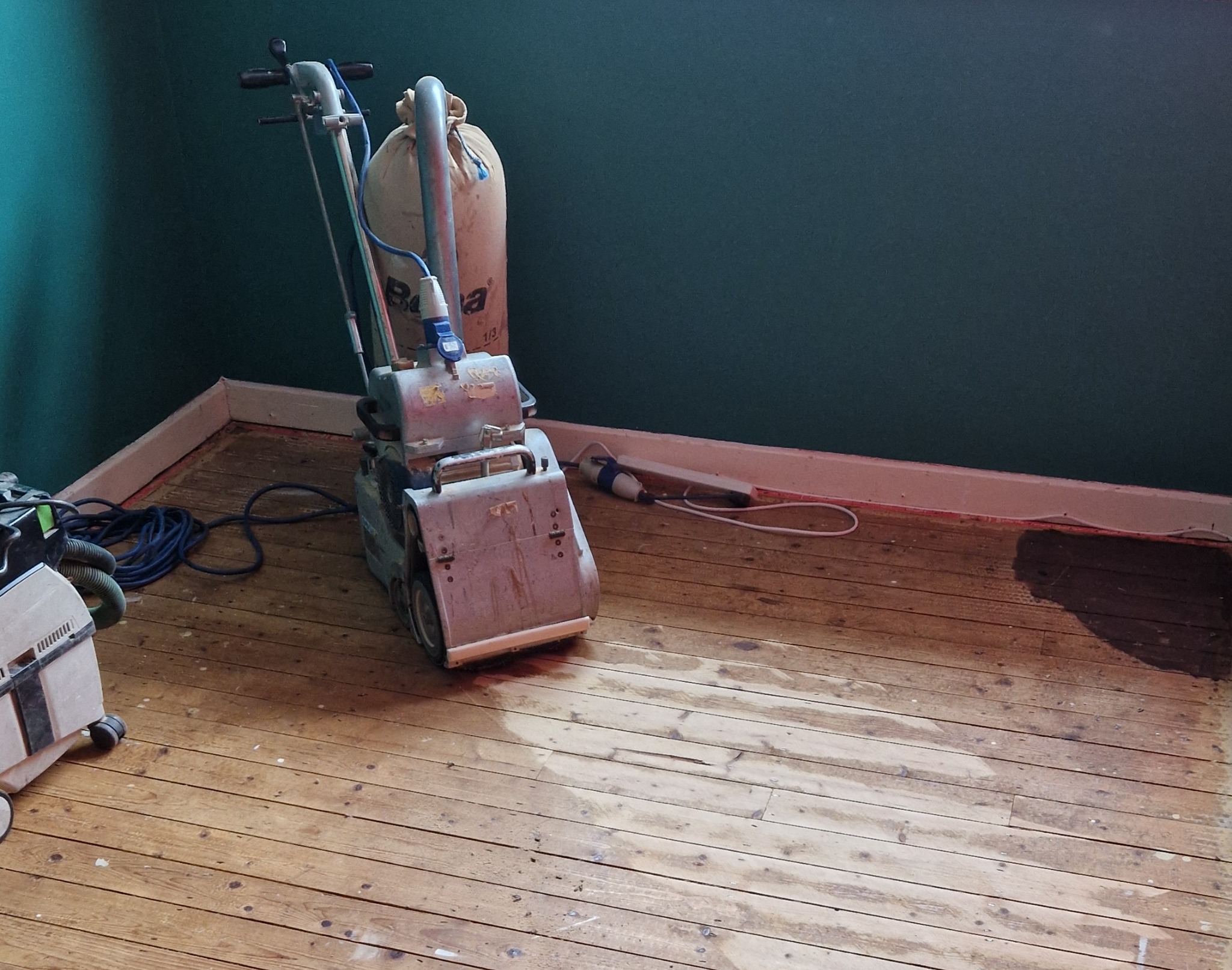
Early floor sanders resembled small tractors: noisy, power-hungry and prone to leaving gouges that required multiple passes to hide. Today’s professional-grade belt machines feature variable-speed motors, precision drum balancing and sealed bearings that use far less electricity while producing a finer cut. When paired with industrial HEPA extractors, the system captures up to 98 percent of dust at source, preventing it escaping into the room or settling in your lungs.
Many specialists who offer Eco-Friendly Wood Floor Sanding also use reusable cloth filter bags instead of disposable paper, and recycle worn sanding belts through dedicated schemes. Running machinery on renewable-tariff electricity further shrinks the carbon footprint, and cordless edgers powered by lithium-ion batteries eliminate trailing leads that increase trip hazards and energy loss.
Choosing Low-VOC, Plant-Based Finishes
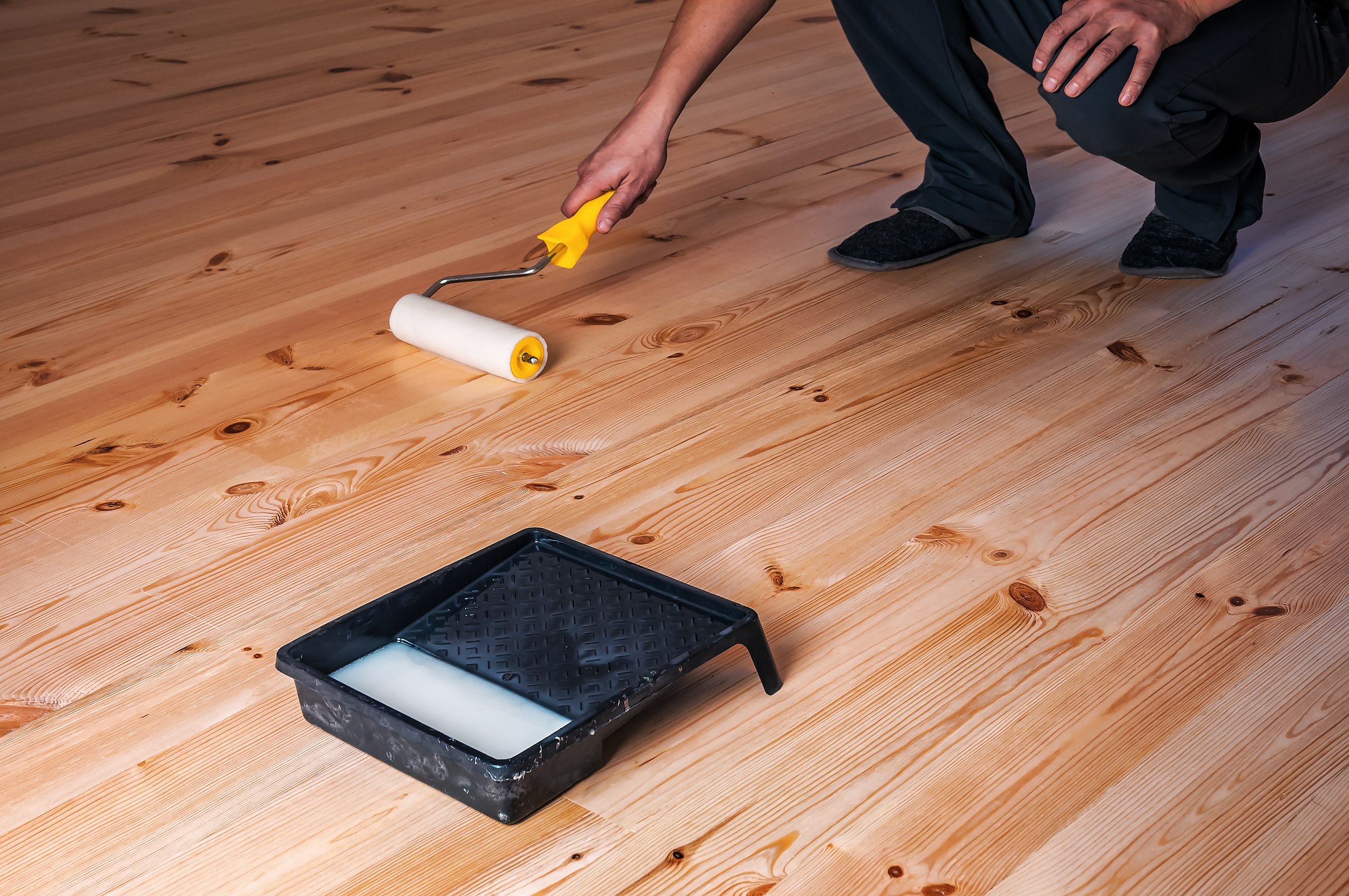
Sanding is only half of the story. The products you apply afterwards determine long-term durability, appearance and ecological credentials. Traditional polyurethane varnishes often contain high levels of volatile organic compounds (VOCs) that off-gas for days, sometimes weeks. Fortunately, a new generation of water-borne lacquers, plant-oil hybrids and hardwax oils now offers comparable durability with a fraction of the solvent content.
Look for finishes labelled EN 71-3 compliant (safe for children’s toys) or Eurofins Indoor Air Comfort Gold certified. These indicate ultra-low emissions and rigorous third-party testing. When you book Eco-Friendly Wood Floor Sanding your contractor should supply a Safety Data Sheet (SDS) for every stain, primer and topcoat so you can check VOC ratings. Opting for natural pigments derived from iron oxide or earth minerals rather than synthetic dyes further reduces chemical load.
Tackling Dust, Debris and Waste the Green Way
It is impossible to sand timber without creating some mess, but good housekeeping minimises what ends up in the skip. Start by clearing furniture and rugs to another room so you can lay reusable door seals that prevent particles drifting through the house. Contractors who specialise in Eco-Friendly Wood Floor Sanding often supply washable sticky mats for entrances and biodegradable plastic sheeting rather than standard polythene.
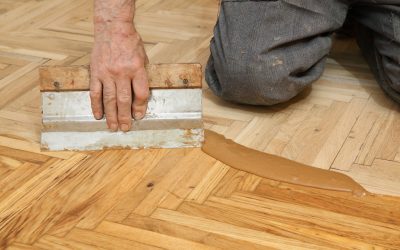
Fine dust extracted by the sander can be mixed with timber glue to create bespoke filler for gaps, saving on commercial putty and giving a near-invisible colour match. Off-cuts, old nails and spent abrasive discs should be sorted for metal and wood recycling. If you are undertaking a whole-house renovation, consider hiring a local waste management firm that offers zero-to-landfill guarantees.
Case Study: Reviving a Victorian Maisonette in Hackney
Emma and Jide bought a two-bedroom maisonette in Hackney Fields with original pine boards hidden beneath carpet and layers of black bitumen. They wanted a light, Scandinavian aesthetic but insisted on an ecological approach because Emma has asthma. After researching several firms they chose a specialist in Eco-Friendly Wood Floor Sanding.
The team:
- Used infrared heaters to soften the bitumen, allowing it to be scraped off without chemical strippers.
- Ran a 4 kW inverter generator connected to a solar-battery trailer parked outside, powering the sander entirely from renewable energy.
- Collected 42 kg of dust which was later repurposed by a local artist for textured wall art.
- Applied a white-tinted hardwax oil made from linseed, sunflower and natural carnauba wax.
The result was a bright, breathable surface with zero detectable VOCs after 24 hours – and Emma reported sleeping soundly the first night without an inhaler.
Ongoing Care: Keeping Your Sustainable Finish Pristine
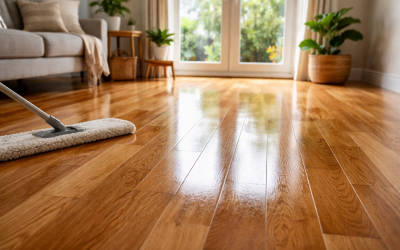
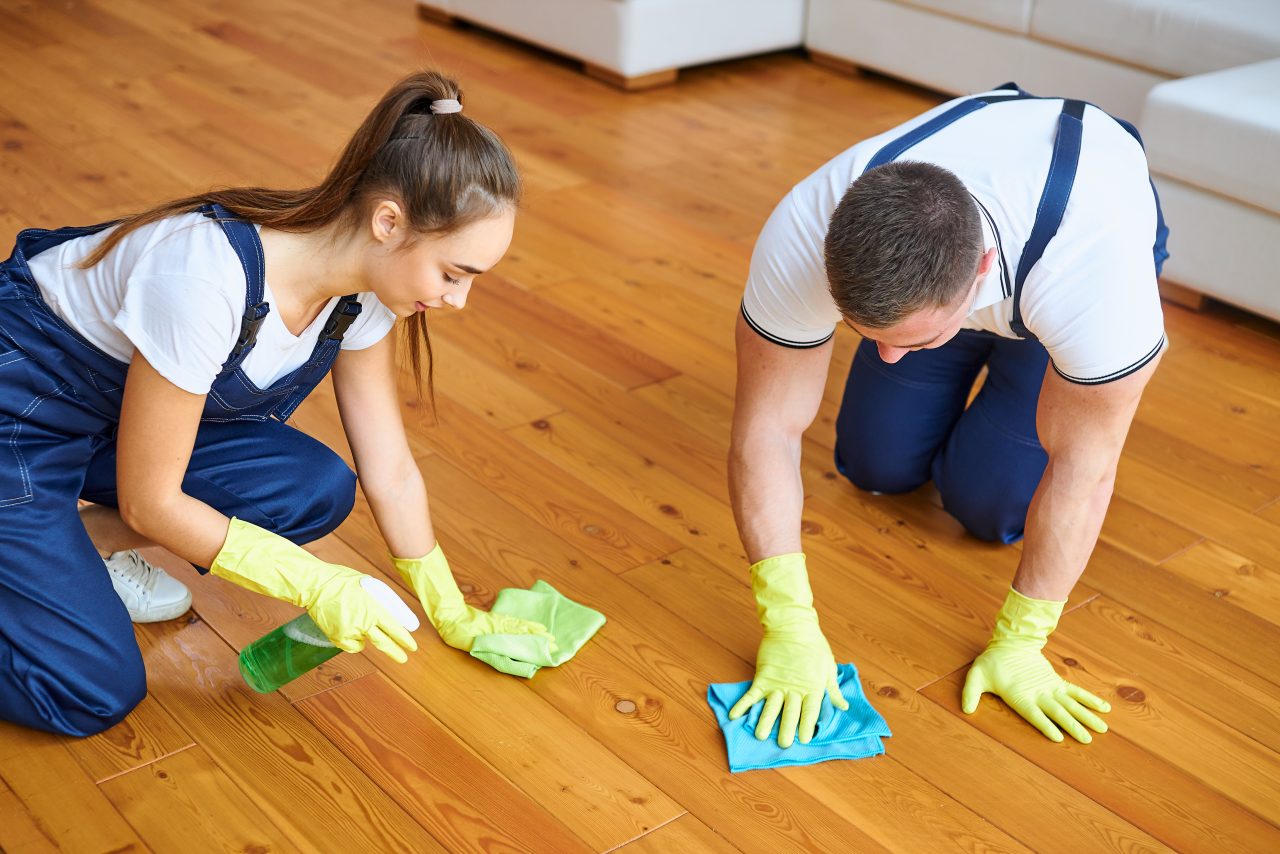
Green finishes are only as good as your maintenance routine. Sweep or vacuum with a soft-bristle head twice a week to stop grit acting like sandpaper underfoot. Wipe spills promptly with a barely damp microfibre cloth; standing water can penetrate joints and cause swelling. Every few months damp-mop with pH-neutral soap designed for oiled or lacquered timber. Avoid steam cleaners, which drive moisture deep into the grain and can strip oils.
If scratches appear, many plant-based oils allow spot repair: simply clean, abrade lightly with fine pad and add a fresh coat. That means you can delay heavy sanding cycles, preserving wood thickness and saving resources. Householders who booked Eco-Friendly Wood Floor Sanding often schedule an annual service visit where a technician inspects high-traffic zones, buffs away tiny scuffs and tops up protection, extending the floor’s life by years.
Selecting the Right Contractor: Questions to Ask
Not every flooring firm follows the same green ethos, so before signing a contract consider the checklist below:
| Topic | Questions | What to Look For |
|---|---|---|
| Dust control | Do you use HEPA-filtered extraction? What percentage capture rate can you guarantee? | 98 %+ capture, sealed hose connections |
| Finish safety | Can you supply VOC certificates and SDS? Are your products suitable for allergy sufferers or pets? | Water-borne or plant-oil finishes, EN 71-3 compliance |
| Energy use | Are your machines energy-rated? Do you operate on renewable electricity or offset carbon? | Efficient motors, green tariff, offset scheme |
| Waste policy | How do you dispose of dust, abrasives and packaging? | Recycling partners, reuse of waste dust |
| After-care | Do you offer maintenance training or follow-up visits? | Clear care guide, optional annual service |
A reputable provider of Eco-Friendly Wood Floor Sanding will welcome these questions and supply documentation without hesitation.
Future-Proofing Your Floors: Innovations on the Horizon
Sustainable flooring technology continues to evolve. Researchers are experimenting with:
- Bio-based UV-cure coatings that harden instantly under portable lamps, slashing drying times to minutes.
- Nanocellulose additives that increase abrasion resistance while remaining fully biodegradable.
- Smart sensors embedded beneath boards to monitor humidity and notify homeowners via smartphone before cupping or gaps occur.
By partnering with companies that prioritise R&D, Londoners can ensure their next refurbishment uses cutting-edge solutions rather than yesterday’s compromises.
Conclusion:
Eco-conscious living no longer means sacrificing aesthetics or durability. With efficient machinery, low-toxicity finishes and responsible waste management, you can restore even century-old floorboards to showroom condition while shrinking your carbon footprint and protecting indoor air quality. When you choose Eco-Friendly Wood Floor Sanding you invest in craftsmanship that honours both your home’s history and the planet’s future. From Hackney to Hounslow, the capital is full of hidden timber treasures waiting to be rediscovered. Book a consultation, breathe easier and enjoy the natural beauty under your feet – sustainably.