Key Takeaways
- Victorian pine requires a specific 40-grit Zirconia start to remove decades of bitumen and wear.
- Gap filling with a mix of resin and fine sawdust is essential for thermal efficiency.
- Bona Traffic HD provides the ultimate protection while preserving the heritage look.
- Curing times are affected by UK humidity; allow at least 24 hours for light foot traffic.
There is something undeniably evocative about the sight of original Victorian floorboards. These timber structures have survived over a century of history, yet many lie hidden beneath tattered carpets or thick layers of black bitumen. As a specialist in heritage restoration, I have seen countless homeowners struggle with the dilemma of whether to replace or restore. The answer is almost always restoration, provided you employ the right techniques and machinery.
The Problem: Decades of Neglect and Bitumen
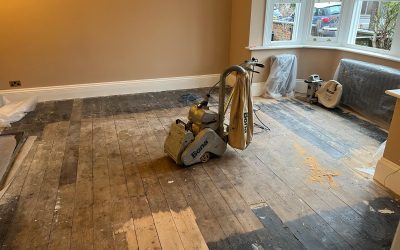
Most Victorian homes in the UK were built with softwoods like Scots Pine. While durable, these boards were often edges with ‘black gold’—bitumen—to prevent draughts. Over time, this bitumen becomes brittle, and the floorboards themselves can cup, crown, or develop significant gaps. If you attempt to sand these with DIY-grade rental equipment, you will likely ruin the wood or burn through dozens of sanding belts within minutes as the bitumen melts and clogs the paper.
Agitating the Issue: Why ‘Good Enough’ Isn’t Enough
Living with draughty, splintered floorboards is more than just an aesthetic issue. It affects your home’s thermal performance and can lead to structural decay if moisture trapped beneath the boards isn’t managed. Furthermore, improper sanding can remove too much of the wear layer, significantly shortening the lifespan of your floor. This is where professional tradesmen with industrial-grade equipment like the Lagler Hummel or Bona Belt make the difference.
The Solution: A Professional Restoration Framework
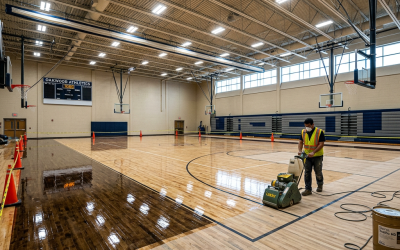
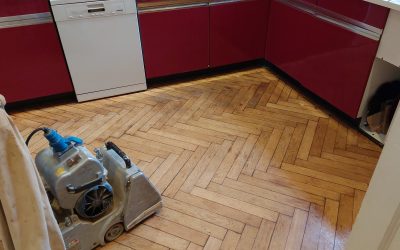
To achieve a world-class finish, we follow a rigorous process. It begins with the initial cut. For uneven Victorian pine, we typically start with a 40-grit Zirconia belt. Zirconia is far more durable than standard aluminium oxide and is essential for cutting through bitumen without heat-sealing the grain. We sand at a 45-degree angle to the grain for the first pass to level the floorboards perfectly.

Technical Pro-Tip: The Grit Sequence
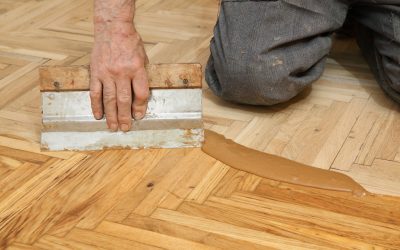
After the initial 40-grit cut, the sequence is critical. We move to 60-grit, then 80-grit, and finally 100 or 120-grit for the finest finish. Between the 80 and 100-grit stages, we perform gap filling. Using a high-quality resin like Lecol 7500 mixed with the fine dust from the 80-grit pass ensures an exact colour match. This is a common practice in wood floor repairs to ensure a seamless look.
Finishing with Bona Traffic HD
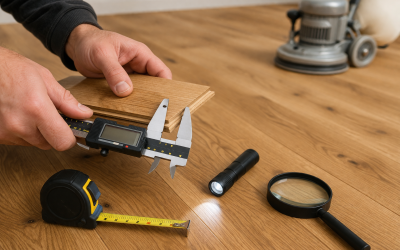
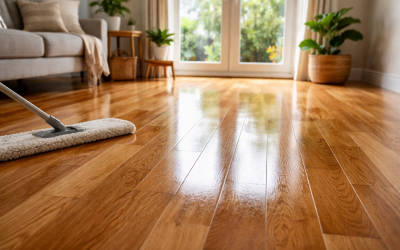
When it comes to protection, Bona Traffic HD is the industry gold standard. In the UK’s often humid climate, moisture content in the timber must be checked before application. We aim for a moisture level between 8% and 12%. Bona Traffic HD is a water-based lacquer that offers incredible wear resistance without the ‘plastic’ look of cheaper varnishes. We recommend three coats, with a light ‘denibbing’ (buffing) between the second and third coat to ensure a glass-smooth surface.
For those looking for a more natural feel, floor sanding Isleworth experts often suggest a prime coat first to prevent tannin pull—where the natural oils in the wood react with the lacquer, causing dark spots. Proper curing is vital; while the floor is touch-dry in hours, it takes up to 7 days to reach full chemical hardness. Avoid placing heavy furniture or rugs during this period.
Conclusion
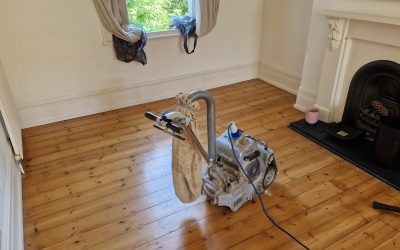
Restoring a Victorian floor is an investment in your home’s heritage. By using professional-grade machinery and premium finishes, you ensure that these floorboards will remain a stunning feature for another century. If you are planning a renovation, remember that VAT is often applicable on professional services, but the value added to your property far outweighs the initial cost. For more information, check our floor sanding advice section.